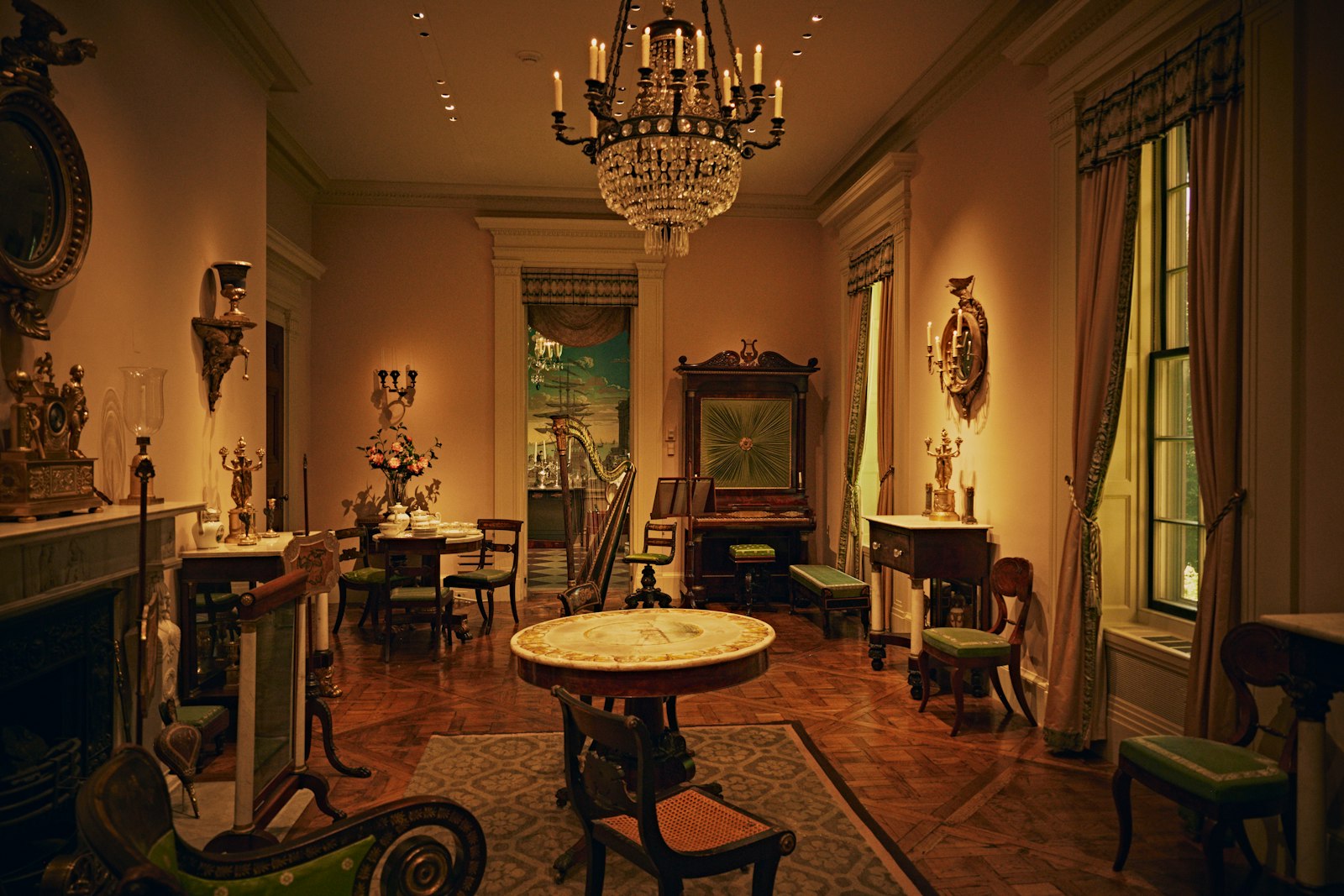
In a hotel, furniture is part of the property's assets: it moves from one room to another, wears out, gets replaced, and ends up lost somewhere in the building if nobody tracks it. When that furniture is spread across several hotels and no tool is in place, it becomes impossible to know what you actually own.
That is the challenge taken on by the Cercle National des Armées (the French armed forces' national club), which manages the furniture of 3 hotels. Here is how it built, from scratch, the tracking of 5,000 items with a single user.
At a glance
- Sector: Hospitality / Heritage
- Scope: 3 hotels · 1 user · 5,000 items
- Goal: build furniture tracking from scratch across several sites
The challenge: a furniture estate with no tool and no process
The Cercle National des Armées had to build from scratch the tracking of its furniture, spread across 3 hotels. No tool or process was in place.
Three questions had no answer:
- where each item was exactly;
- what condition it was in;
- how many items the organization owned in total, with no consolidated view across the 3 hotels.
On top of that came a hard constraint: 5,000 items to record and a single dedicated user. The solution had to be both simple to use and efficient in the field.
K inventory: recording and structuring the furniture
K inventory was deployed to record and structure the 5,000 furniture items across the 3 sites in a single register.
The user manages the whole estate from the mobile app:
- they scan barcodes to identify each item;
- they add photos to every record, so furniture can be recognized at a glance in the field;
- they have a complete history of each item.
Photos matter a lot in hospitality: many pieces of furniture look alike, and a picture on the record settles the question faster than a description. For the method in more detail, see our furniture inventory management guide.
The results: full traceability, run by one person
With K inventory, the Cercle National des Armées went from no tool at all to full traceability of its furniture:
- 5,000 items structured in a single register;
- easier visual identification thanks to photos on every record;
- multi-site tracking of the 3 hotels run by a single user;
- a consolidated, accurate view of the condition of the furniture across all hotels.
| Before K inventory | With K inventory |
|---|---|
| No tracking tool or process | A single register for all 5,000 items |
| No precise location of furniture | Every item identified by barcode and linked to its hotel |
| Hard to identify items in the field | A photo on every record |
| No overall view across the 3 hotels | A consolidated view of the condition of the furniture |
"Setting up K inventory transformed how we manage our furniture by centralizing all our data in a single register. Adding photos to every record makes visual identification in the field much easier. We now have a consolidated, accurate view of the condition of our furniture across all our hotels."
Cercle National des Armées (translated from French)
Managing furniture across several properties? Like the Cercle National des Armées, record your furniture, identify each item with a single scan and run all your sites from one tool. Book a demo · 14-day free trial
Frequently asked questions
What did the Cercle National des Armées need?
To build from scratch the tracking of its furniture, spread across 3 hotels, with no existing tool or process. It needed to know where each item was, what condition it was in, and to have a consolidated view, with 5,000 items to record and a single dedicated user.Can one person manage 5,000 items across 3 sites?
Yes. The Cercle National des Armées user manages the whole estate from the mobile app: they scan barcodes, add photos to records and check the history of each item, for all 3 hotels.Why add photos to furniture records?
Because many pieces of furniture look alike. A photo on every record makes it possible to recognize an item at a glance in the field and avoid identification errors.In short
By deploying K inventory, the Cercle National des Armées built the tracking of 5,000 furniture items across 3 hotels, starting from scratch and with a single user. Barcode scanning, photos on every record and a complete history now give it a consolidated, accurate view of its furniture. A typical case for hotels and heritage organizations that need to track a large amount of furniture across several sites.
Read also