PPE management in the workplace: the practical guide
Choosing, storing, issuing, inspecting, restocking, recovering, replacing: practical ideas to equip your teams and be ready on the day of an inspection, step by step.

This week
- 1 new hire to equip
- 3 harnesses to inspect before the 15th
- Gloves below threshold at the South site
- 2 hard hats at end of life
The 4 key ideas
The right PPE for the right risk: each piece of equipment addresses a risk identified in the risk assessment.
A traceable issue: who has which PPE, in what size, since when.
Inspections on schedule: less than 12 months old at the time of use, for the PPE concerned.
Never out of stock: an alert threshold per site for disposable PPE.
Sound familiar?
Choosing the right PPE
PPE is bought "as usual", with no link to the real risks of each job. The result: equipment that is unsuitable, uncomfortable, and ends up at the bottom of a locker.
Start from the risk assessment of each job, the one in the single risk assessment document (document unique): a piece of PPE addresses a specific risk.
Know the PPE category: the more serious the risk, the stricter the requirements for design, inspection and training.
Have people try it before rolling it out: uncomfortable PPE does not get worn.
Plan for all sizes and body types, including for women.
Agree with the works council (CSE) on the conditions for providing and wearing each piece of PPE.

With K inventory: each PPE category has its own record with its own fields (standard, class, size, shoe size), created on the web with no development. Suppliers and catalog references are managed in the platform.
The 3 PPE categories
The more serious the risk, the stricter the requirementsReceiving and storing
Boxes of PPE pile up in a storeroom, with no check on arrival. Six months later, you find hard hats made long ago and instructions that have been lost.
Check the delivery: quantities, sizes, CE marking, instructions for use.
Record the manufacturing date of PPE with a limited lifespan, such as hard hats and harnesses.
Store according to the instructions: away from light, heat and moisture.
Issue the oldest first, and sort by size to serve quickly.
With K inventory: the delivery is scanned and compared with the purchase order. Each piece of PPE tracked individually gets a label printed from the platform, and its manufacturing date is on its record.
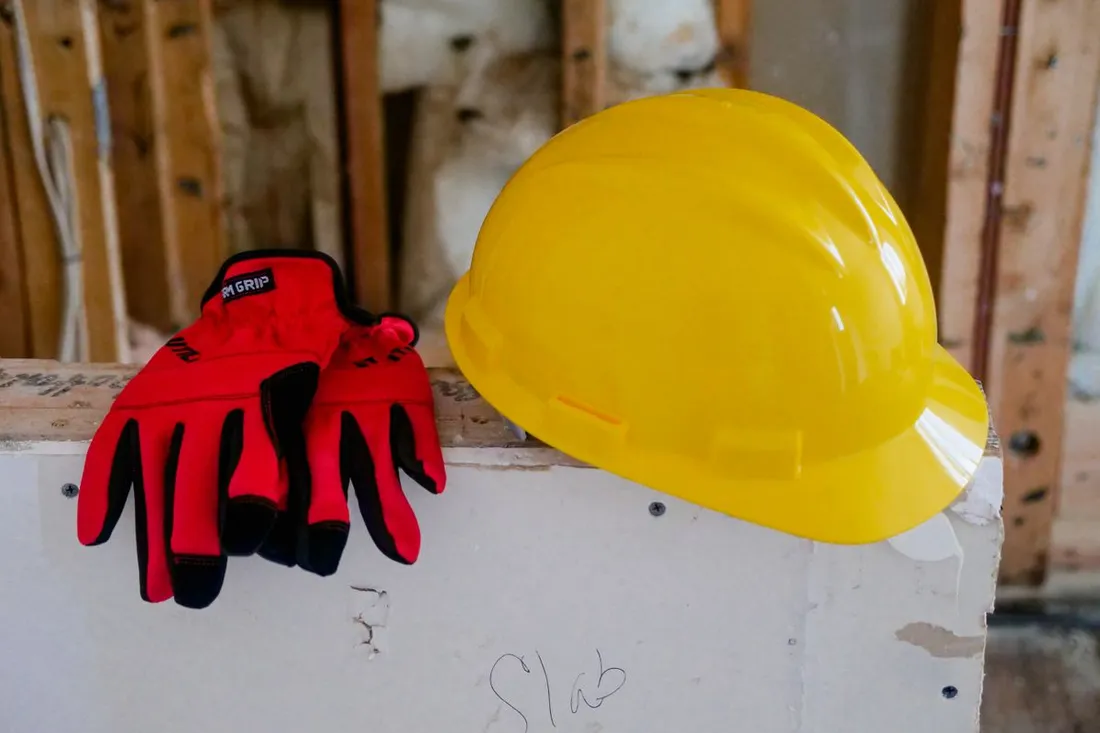
Delivery of 10/14
- 20 of 20 hard hats received
- CE marking and instructions checked
- Manufacturing date recorded
- 5 pairs of size 8 gloves missing
Issuing PPE to employees
A new hire gets "whatever is left" in the cabinet, without anyone recording what. On the day of an accident or an inspection, there is no way to prove what was issued.
Prepare the kit before the person arrives, based on the job and the sizes.
Issue to a person, with the date: who has which PPE, since when, in what size.
Inform and train: the employee must know which risks the PPE protects against, and how to wear, check and store it.
PPE is in principle personal: if it must be used by several people, hygiene measures are required.
With K inventory: PPE is issued with a scan, or with an NFC badge to identify the employee. The date and size stay on the record, and the history shows who has had each piece of PPE.

Arrival · Karim B. · roadworks
- Hard hat
- Class 2 vest, size L
- S3 shoes, EU size 43
- Training on wearing PPE done
Checking and inspecting
A harness goes out to a job site even though its annual inspection expired two months ago. Nobody noticed, because the date was in a binder.
Visual check before each use, by the employee themselves.
Periodic general inspection for the PPE concerned (fall arrest, self-contained breathing apparatus, inflatable life jackets...): they must have been inspected within the last 12 months at the time of use.
Record the result in the safety register.
Withdraw immediately any doubtful PPE, until it is inspected or replaced.
With K inventory: each piece of PPE concerned has its next inspection date, with a reminder before it is due. The inspection is done on the phone with a form you create on the web, and the inspection body's report is attached to the PPE record.
The inspection schedule
For PPE subject to periodic inspectionNever run out of disposable PPE
Monday morning, no more size 9 gloves or earplugs on the job site. The team starts without them, or waits for the delivery.
Manage disposables by quantity, per site or per cabinet, not individually.
Set an alert threshold per location, taking the delivery lead time into account.
Trace every issue: you know which team uses what, and you spot overconsumption.
Rebalance between sites before placing a rush order.
With K inventory: each location has its own stock and alert threshold. Issues are scanned, transfers between sites are traced, and K forecast reads the history to adjust the thresholds; a manager always approves the order.
Handling gloves: stock per site
Fictitious example, alert threshold at 20 pairsTaking stock regularly
The PPE issue spreadsheet has not been updated for months: employees who left are still listed, and PPE that was handed out is missing.
Review team by team: does each employee have the PPE for their job, in the right size?
Locate PPE tracked individually: harnesses, breathing apparatus, detectors.
Use the inventory to spot worn PPE or PPE nearing the end of its life.
Count disposable stock and correct discrepancies.
With K inventory: the inventory is taken by scanning with a phone, cabinet by cabinet or team by team, even offline. Discrepancies are calculated before validation.
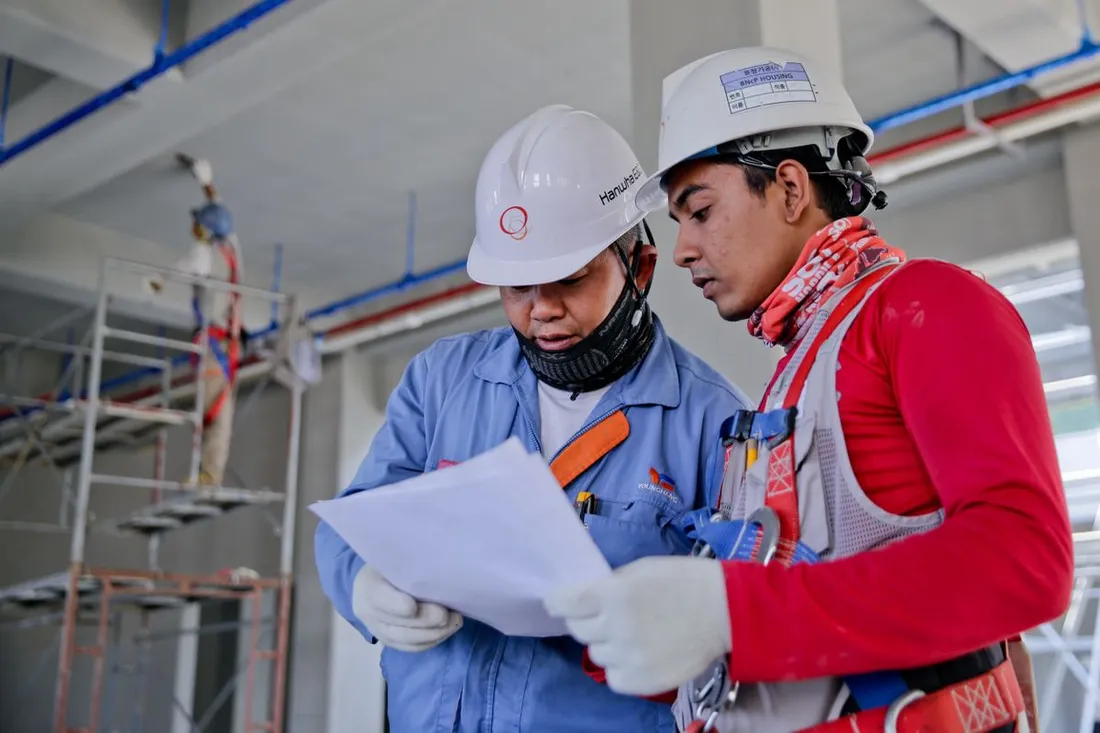
Maintenance team · 8 people
- 8 hard hats assigned
- Sizes up to date
- 7 of 8 harnesses located
- 2 inspections to schedule
Recovering and replacing
An employee changes jobs or leaves the company: their harness stays in their car, and their successor is given a new one.
Start from the list of what was issued to the employee, not from their memory.
Record the condition on return: reusable after inspection, to be cleaned, to be retired.
Adjust the kit when someone changes jobs.
Replace as items wear out, without waiting for a stockout or an accident.
With K inventory: on the day someone leaves or changes jobs, everything issued to the employee is displayed. The return is validated with a scan, with the condition recorded, and anything not returned stays assigned.

Departure · J. Petit · Friday
- Hard hat returned
- Harness returned, condition recorded
- Shoes returned
- High-visibility vest
Managing PPE end of life
Cracked hard hats and harnesses that have already arrested a fall go back into the cabinet "for now". They end up being worn again.
Respect the lifespan stated in the manufacturer's instructions.
Dispose of damaged PPE immediately if it no longer guarantees the same level of protection, even if it looks intact.
Remove the PPE from the inventory with its reason: damaged, end of lifespan, lost.
Consider the appropriate collection channel for PPE that allows it.
With K inventory: each piece of PPE removed from service keeps its reason and its history. An "out of service" status prevents it from being issued by mistake.

What the record of well-tracked PPE looks like
A harness has its inspection date, a pair of boots its size, gloves are counted in pairs. Here are sample records in K inventory.
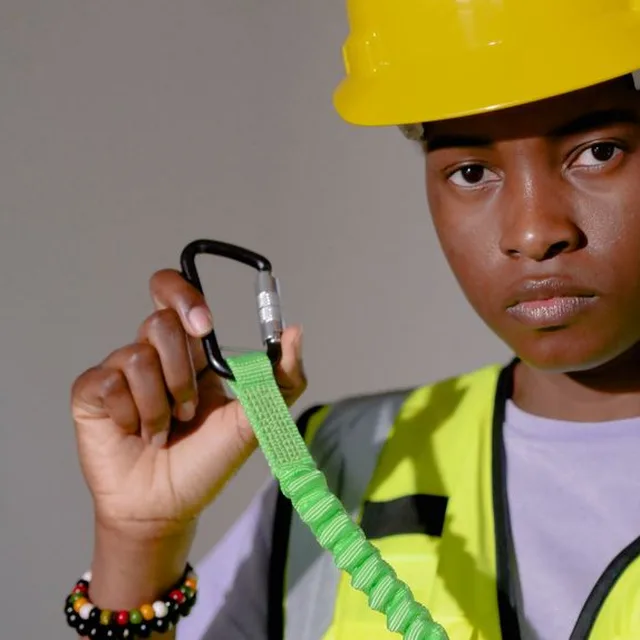
Fall arrest harness · HA-0142
Fall arrest systems are among the PPE that must be inspected at least every 12 months. The next inspection date is on the record, with a reminder before it is due.
The inspection is done on the phone with a form created on the web, and the inspection body's report is attached to the record.
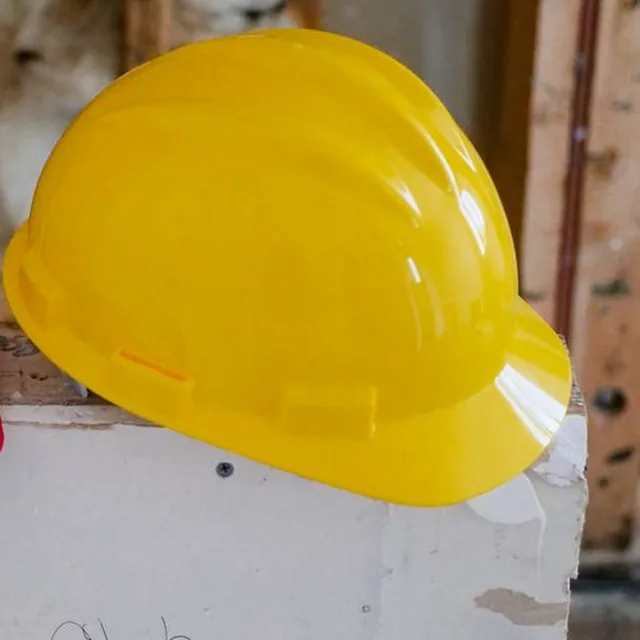
Hard hat · CA-0318
The lifespan of a hard hat is set by the manufacturer's instructions. It is recorded on the record, along with the manufacturing date, so you know which ones to replace.
At handover, scanning the label is enough to assign the hard hat to the employee.
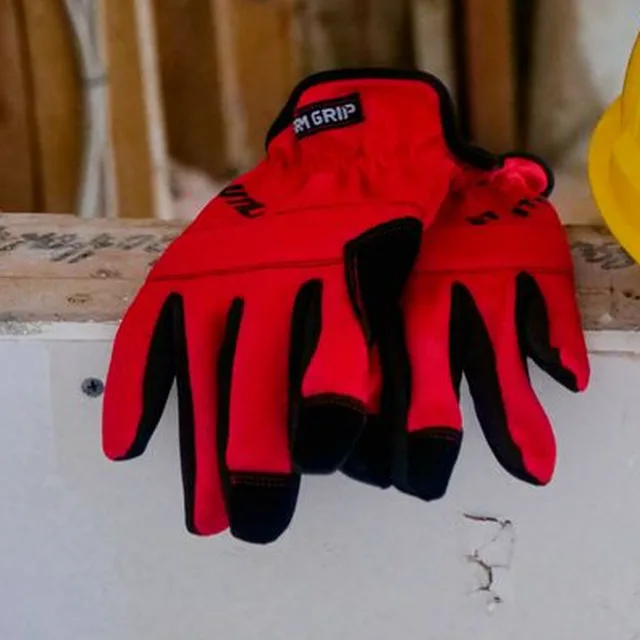
Handling gloves · size 9
PPE that wears out quickly is managed by quantity, like consumables. An alert threshold warns you before you run out.
Each issue is scanned: you know which department uses what, with no re-entry.

S5 safety boots · EU size 43
For footwear and clothing, what matters is who is equipped, in what size, and since when.
On return, the condition is recorded with a scan. Anything not returned stays assigned to the employee.
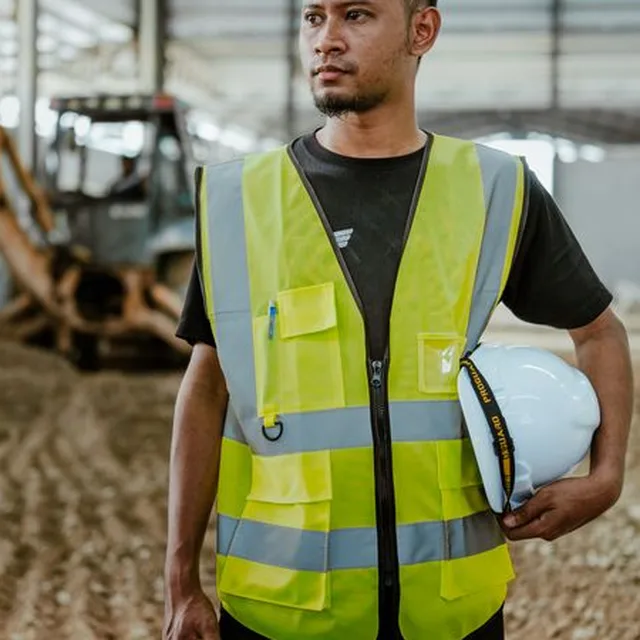
High-visibility vest · class 2 · L
Vests and workwear are managed in stock by size and by site, then assigned to the employee if you need to know who wears them.
The stock of each site is visible in one place, and a transfer between sites is traced with a scan.
Spreadsheet or dedicated tool?
A spreadsheet is enough for a few employees on a single site. Its limits appear as soon as there are several teams, PPE to inspect and disposables to track.
| Spreadsheet | Dedicated tool with a mobile app | |
|---|---|---|
| Suited to | A few employees, one site | Several teams, sites or job sites |
| Issue and return | A row to edit, often forgotten | A scan, with the date, size and condition |
| Inspections | Dates you have to watch yourself | A reminder before the due date, report attached |
| Disposable PPE | Counted by eye | A threshold per site, an alert before stockouts |
| On inspection day | A file to rebuild | The history per piece of PPE and per employee |
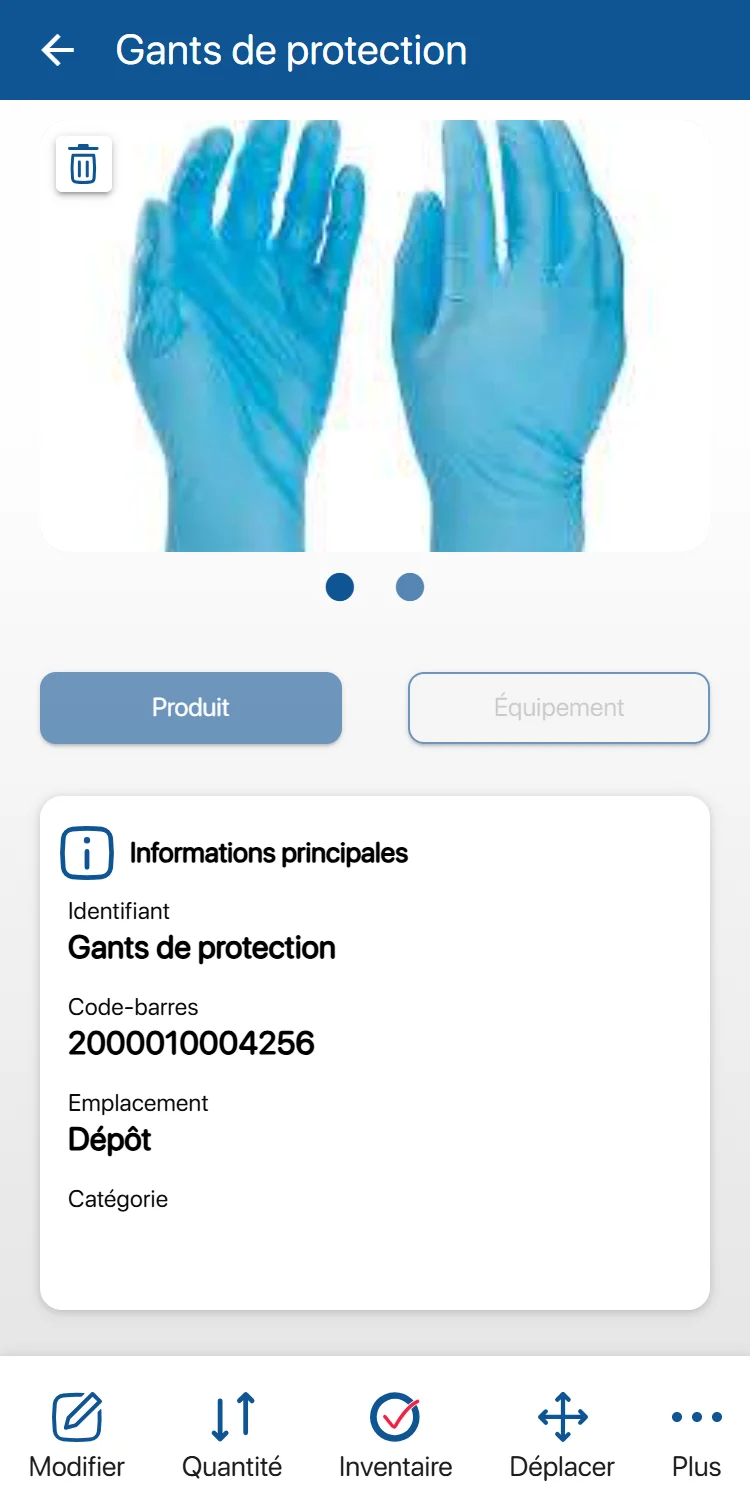
What a dedicated tool looks like: each piece of PPE or each batch of disposables has its own record, with its holder or its stock, its location and its dates, on the web as well as on the phone.
For the full list of features, see the periodic inspections and maintenance (CMMS) page.
Going further
Frequently asked questions about PPE management
Who must provide and pay for PPE?
The employer. PPE is provided free of charge by the employer, who also ensures it works properly and stays hygienic through the necessary maintenance, repairs and replacements (French Labor Code, Code du travail, article R4323-95).
Which PPE must be inspected periodically?
The French order of March 19, 1993 (arrêté du 19 mars 1993) sets the list: fall protection systems, self-contained escape breathing apparatus, complete equipment for work in hostile environments, inflatable life jackets, and reserves of anti-gas filter cartridges. They must have been inspected within the last 12 months at the time of use, and the result is recorded in the safety register.
Can PPE be shared between several employees?
In principle, PPE is reserved for personal use. If the nature of the equipment and the circumstances require it to be worn by several people, measures must be taken to prevent any health or hygiene problem.
How long can PPE be used?
The lifespan and storage conditions are set by the manufacturer's instructions. Damaged PPE that no longer guarantees the same level of protection must be replaced and disposed of, even before that date.
Does every piece of PPE need a label?
Only those tracked individually: harnesses, breathing apparatus, hard hats if they are assigned to named people. Disposable PPE, such as gloves or earplugs, is counted by quantity, per location.
How do you prove what was issued to an employee?
By tracing every issue: which PPE, to whom, when, in what size, and every return with its condition. With a history per piece of PPE and per employee, the proof is ready on the day of an inspection.
How much does a PPE management tool cost?
With K inventory, plans are counted in items, never in users: a piece of PPE tracked individually counts as one item, and PPE managed by quantity counts as a single item per location. Essential: €175 per month for up to 500 items. Advanced: €390 per month for up to 1,000 items. Beyond that, the Custom plan is quoted on request.
Your PPE tracked, from issue to disposal
Show us your teams, your PPE and your inspections during a demo: we will show you how to manage them day to day in K inventory.