Furniture management and inventory: the practical guide
Buy or reuse, label, assign, move, lend, count, give a second life: practical ideas for facilities management and property teams, step by step.
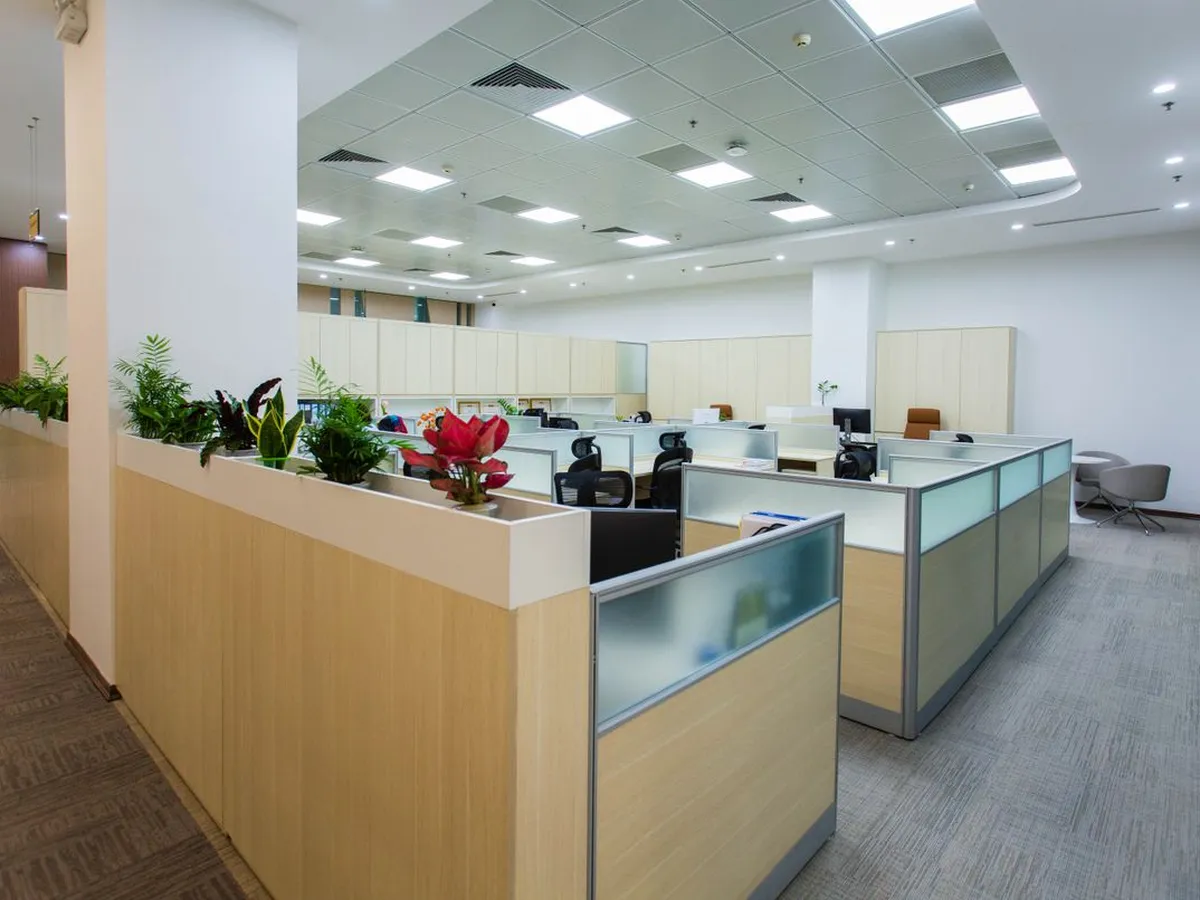
This month
- 2nd floor refit
- 2 loans for events
- 6 chairs missing from storage
- 12 cabinets to reuse
4 key takeaways
Storage first: before buying, look at what sits idle in storage and on sites being vacated.
By quantity or by unit: identical chairs are counted per room, valuable pieces get a label.
The move is the key moment: that is when the inventory gets lost, or brought up to date.
A documented second life: reuse, donation, sale or recycling, with the reason.
Sound familiar?
Buying new or reusing
A department orders ten new desks, while a branch has just freed up twelve, now sitting in a storage room on the other side of town.
First look at what is available in storage and on sites being vacated.
Consider reused and refurbished furniture: for public buyers in France, the loi AGEC (anti-waste and circular economy law) requires a share of purchases to come from reuse, repurposing or recycled materials.
Standardize a few models to make swaps and spare parts easier.
Record at purchase the date, the price, the warranty and, if needed, the fixed asset number.

With K inventory: the furniture available in each storage room and on each site is visible before you order. The fixed asset number, the warranty and the supplier are recorded in custom fields.
- Lead time
- Depends on the supplier
- Cost
- The price of new
- Footprint
- That of a new piece
- Check
- That one is not sitting in storage
- Lead time
- Immediate if the piece is in storage
- Cost
- Transport, sometimes refurbishing
- Footprint
- Greatly reduced
- Check
- Condition and compliance
Labeling and describing each piece
The spreadsheet says "desk, 120 cm, gray". There are 300 identical ones, and nobody knows which is which.
One label per individually tracked piece, in a discreet spot: under a desktop, on the back of a cabinet.
Count identical furniture by quantity: 40 chairs in a room is one line, not 40.
Describe only what is useful: type, dimensions, condition, location, and a photo.
Start with a pilot room to fine-tune the method before labeling everything.
With K inventory: barcode or QR code labels are printed from the platform, and NFC tags are supported too. Identical furniture is managed by quantity, a single item per room.
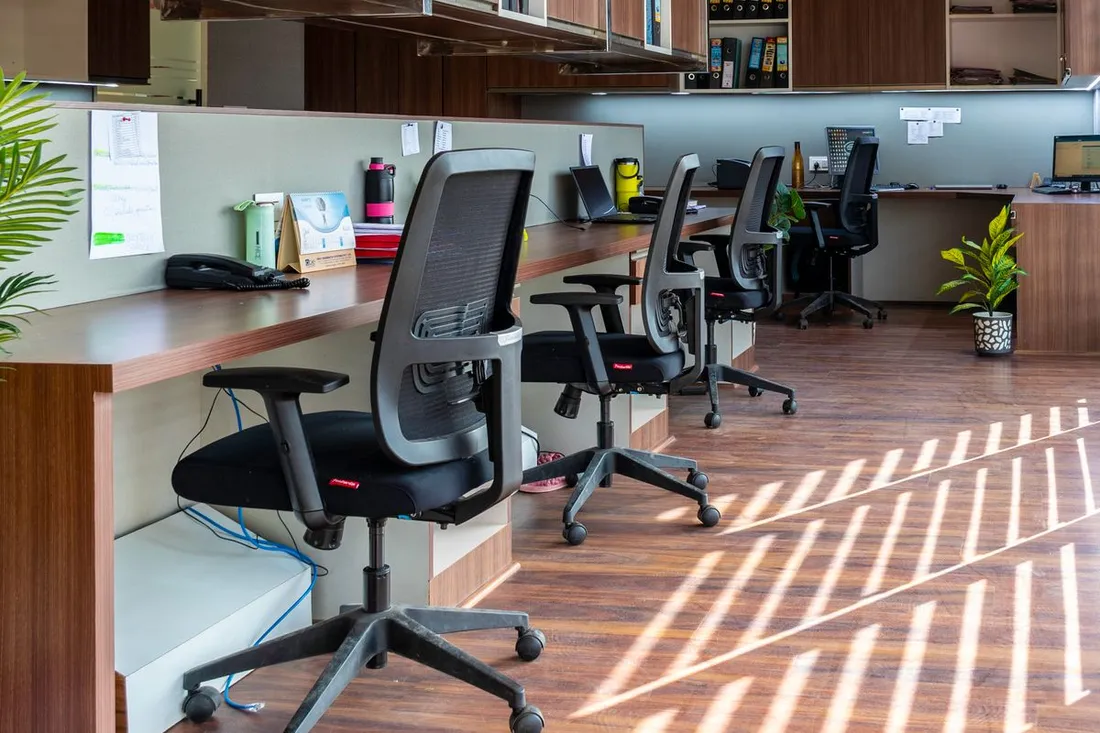
Open space B · 3rd floor
- 24 desks labeled
- 24 chairs counted
- 2 cabinets photographed
- 1 desk without a label
Knowing where every piece is
In a flex office, ergonomic chairs move from desk to desk. The one ordered for an employee on sick leave has disappeared.
Assign each piece to a precise location: site, building, floor, room.
Assign to a person the furniture that is theirs alone, such as an adapted chair.
Link a department when furniture is shared, for cross-charging or budgets.
Keep the same location tree for furniture, IT and equipment.
With K inventory: each piece has its precise location, from site to room, and can be assigned to a person. Locations form a tree with no depth limit.

Flex office · 2nd floor
- 40 desks, 52 employees
- 6 ergonomic chairs assigned
- Pedestals linked to the department
- 1 chair missing
Moving and refitting
After the move, the inventory has to be redone from scratch: nobody knows what left, what arrived, or what was thrown away along the way.
Before: take stock of what is leaving, decide what moves, what is reused elsewhere, what leaves the fleet.
During: scan each piece on departure and on arrival.
After: check that everything has arrived, and update the locations.
Use the move to sort, retire and reassign.
With K inventory: each transfer is a move work order: prepared on departure, received on arrival, by scanning. The old and new locations stay in each piece's history.
A move in 3 phases
So the inventory is accurate the very next dayLending furniture for an event
Forty chairs went out for a seminar. Thirty-eight came back. Nobody knows where the other two are.
Assign every loan to a department, an event or a site, with the expected return date.
Count on departure and on return, and note the condition.
Follow up right away on anything missing.
Keep a dedicated loan stock, separate from furniture in service.
With K inventory: loaned furniture is assigned on departure and scanned on return. Anything that has not come back shows up right away, and every loan stays in the history.
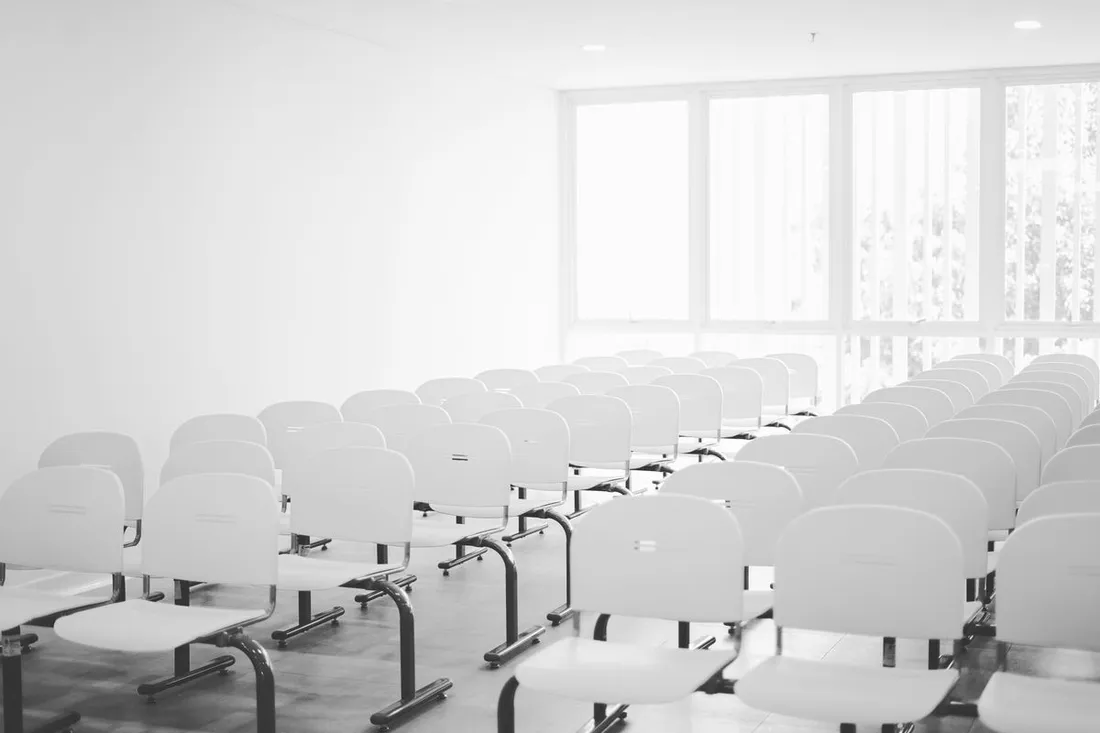
Loan · Nov 12 seminar
- 40 chairs out
- 4 tables out
- 4 tables back
- 38 of 40 chairs back
Taking a furniture inventory
The annual inventory ties up a team for weeks, and the basement storage rooms are never really counted.
Count room by room, floor by floor, without forgetting storage rooms and cellars.
Compare with the expected figures and handle discrepancies: missing, surplus, in the wrong place.
Use the inventory to note the condition and spot what should be retired.
For companies, the French Commercial Code (article L123-12) requires an annual check of the existence and value of assets.
With K inventory: the inventory is done on the phone, room by room, even offline, and discrepancies are calculated before validation. This is how the Musée national du château de Pau tracks 2,000 furniture items across 2 sites.
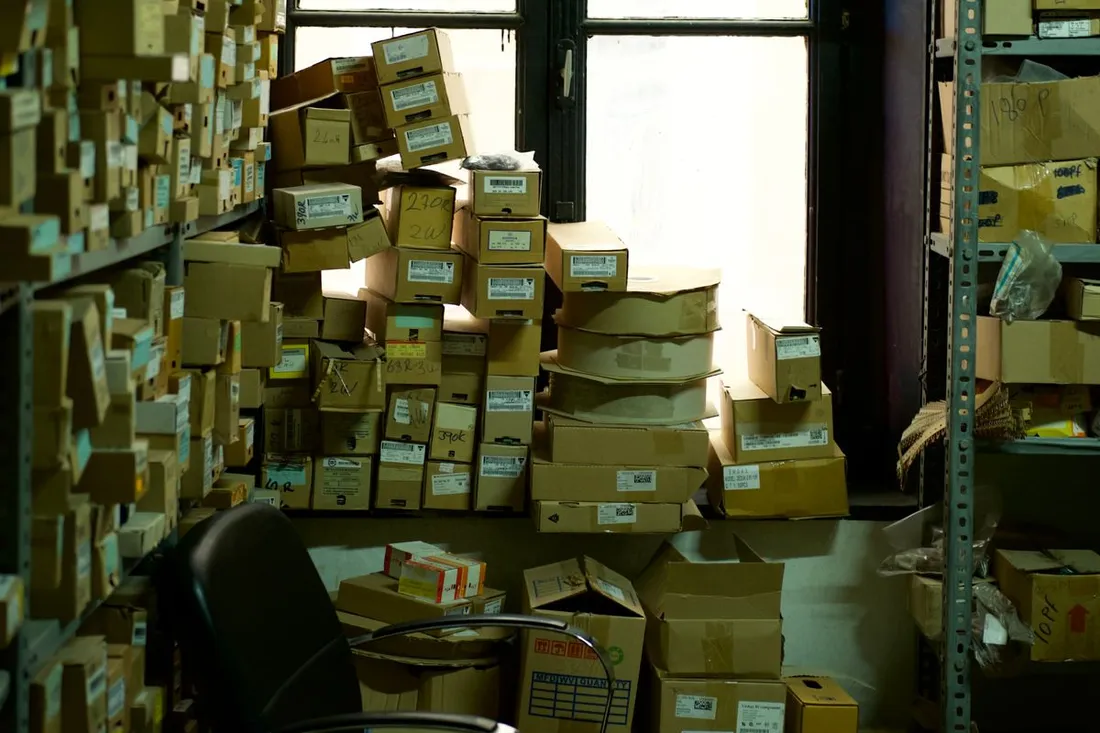
Storage · basement
- 34 chairs of 40 expected
- 3 cabinets without a label
- 2 desks to retire
- Photos added
Reuse, donate, recycle
Before a site closes, cabinets in good condition end up in the dumpster, because nobody knew in time what to do with them.
Offer it internally first: another site, another department.
Donate to a charity, a school, or go through a reuse center.
Resell what still has value.
Recycle what can no longer be used, through a channel suited to professional furniture.
Remove the piece from the inventory with a reason to document the reuse.
With K inventory: each piece leaving the fleet switches to an exit status (reuse, donation, sale, recycling) with its reason. The list exports to Excel for the reuse center or the buyer.
What a well-tracked furniture record looks like
A desk has its fixed asset number, a chair its warranty, identical chairs are counted per room. Here are some sample records in K inventory.
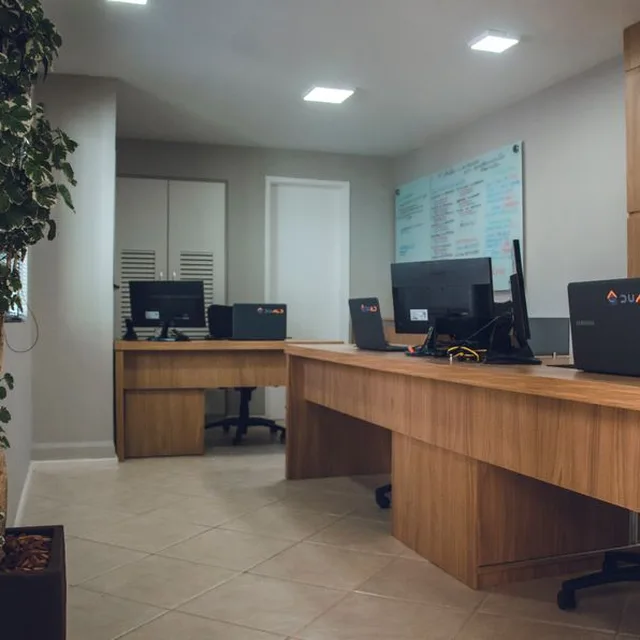
4-person bench desk · MOB-1204
A desk has its record, its label and its precise location: site, building, floor, room. The fixed asset number is recorded in a custom field.
During a refit, each piece moved is scanned: the old and new locations stay in the history.
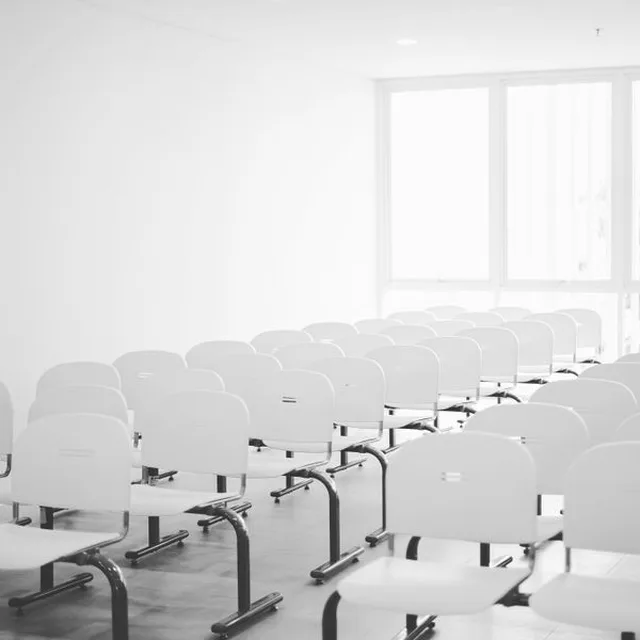
Conference chairs · white shell
Identical chairs are managed by quantity: a single item per room, counted on the phone during the inventory.
The inventory calculates the gap between counted and expected, room by room.
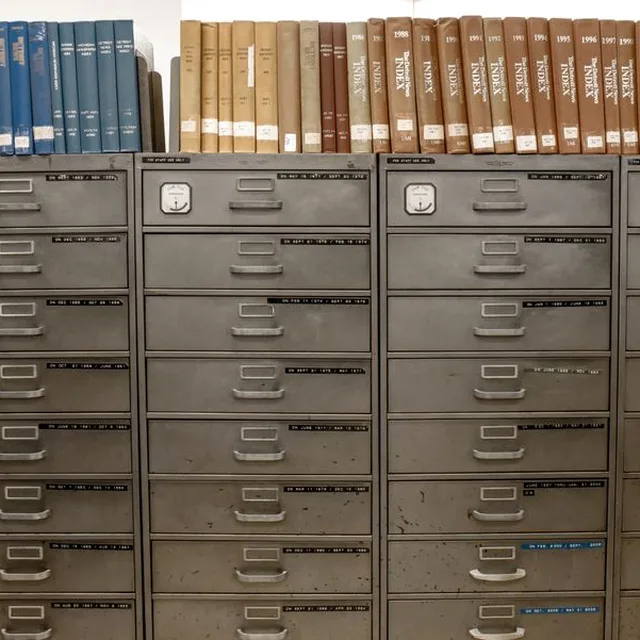
Metal drawer cabinet · MOB-0877
Before a move or a site closure, the condition of each piece is noted by scanning. Those that do not move switch to the status of your choice: internal reuse, donation, sale, recycling.
The list filtered by status exports to Excel for the reuse center, the charity or the buyer.
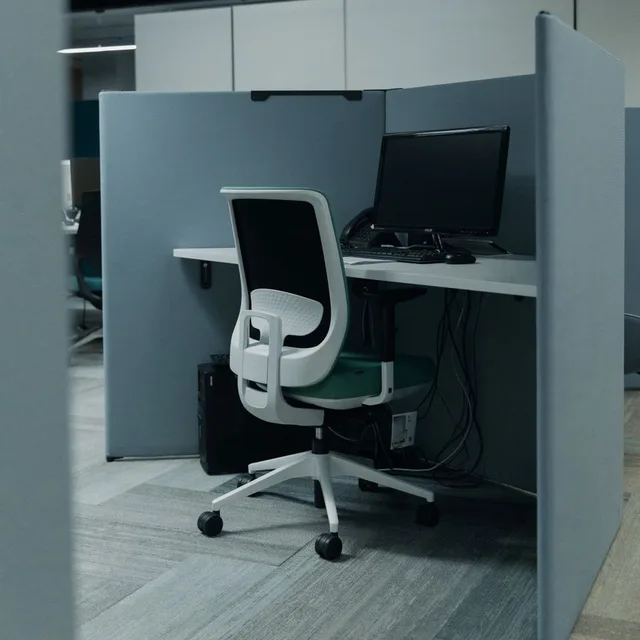
Ergonomic chair · MOB-2231
A chair adapted to an employee can be assigned to them, like any equipment: the record shows who uses it and where it is.
The warranty end date is on the record, with an alert before it expires.
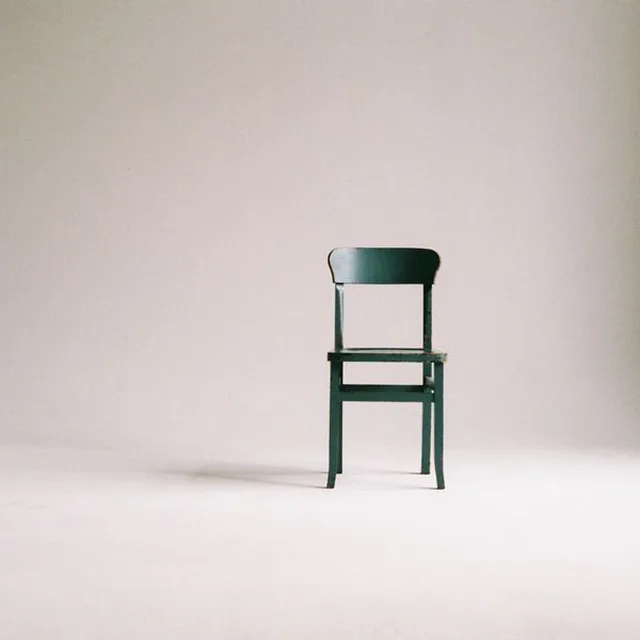
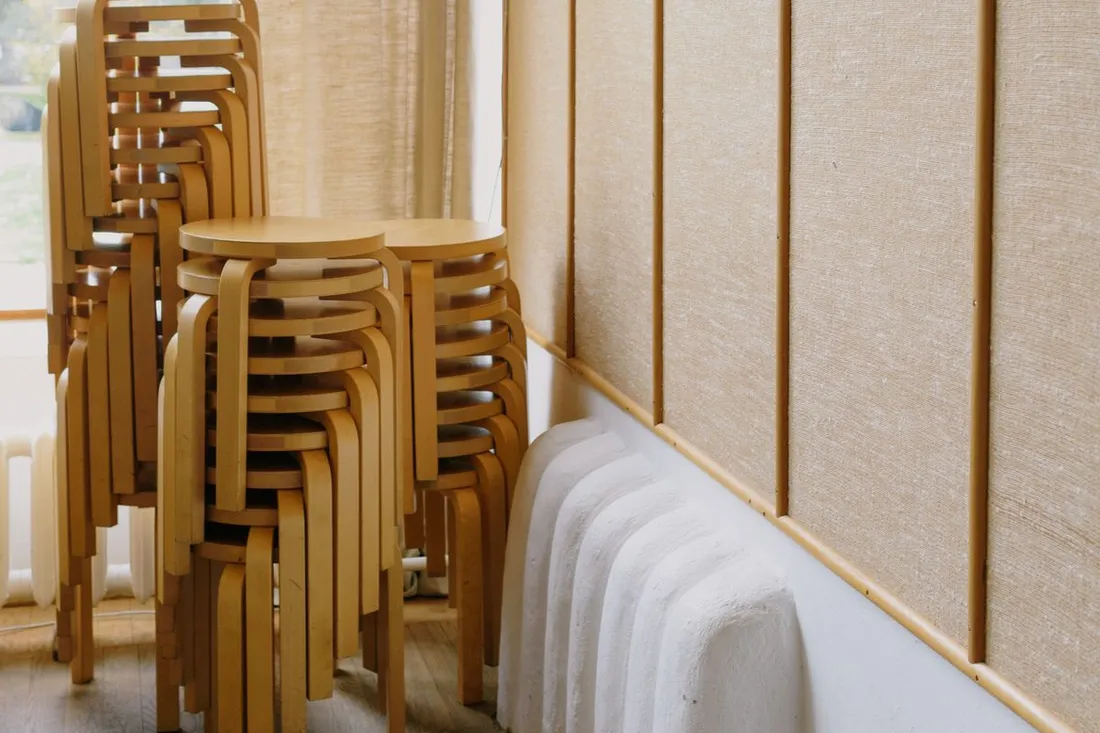
Wooden chairs · furniture storage
Furniture loaned for an event or to another department is assigned on departure and scanned on return. Anything that has not come back shows up right away.
Every loan stays in the item's history: who had it, when, and in what condition it came back.
Spreadsheet or dedicated tool?
A spreadsheet is enough for a small site. Its limits show with several buildings, moves and regular loans.
| Spreadsheet | Dedicated tool with a mobile app | |
|---|---|---|
| Suited to | One site, few movements | Several sites, refits, loans |
| Move | File to redo afterwards | Each piece scanned on departure and on arrival |
| Inventory | Paper, then re-keying | On the phone, room by room, discrepancies calculated |
| Loans | A separate list, quickly lost | Checkout and return by scanning |
| Reuse | Little or no record | Exit status, reason and Excel export |
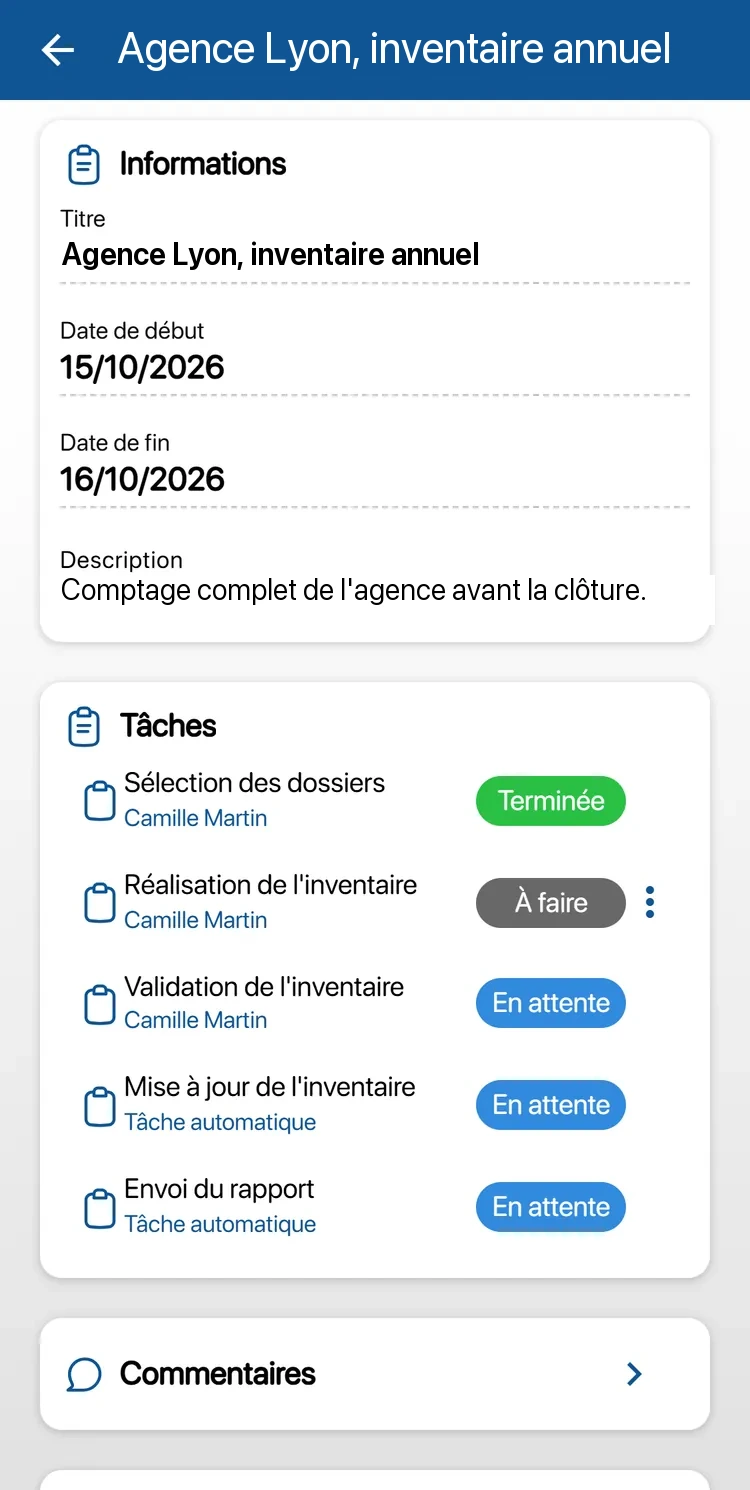
What a dedicated tool looks like: the inventory is prepared on the web and carried out on the phone, room by room, and each piece keeps its location and history.
For the full feature list, see the enterprise asset management (EAM) page.
Going further
Frequently asked questions about furniture management
Does every chair need a label?
No. Identical furniture is counted by quantity, per room: 40 identical chairs in a room is a single line. Individual labels are kept for valuable furniture, for pieces assigned to a person, or for those capitalized one by one as fixed assets.
How do you label furniture without damaging it?
With adhesive barcode or QR code labels, placed in a discreet, protected spot: under a desktop, on the back of a cabinet, under a chair seat. NFC tags are an alternative for heritage furniture.
What depreciation period applies to office furniture?
It depends on your accounting policy and the actual use of the furniture; the period commonly used for office furniture is around ten years. Your accountant sets it with you. The physical inventory, for its part, lets you check that capitalized assets still exist.
How do you prepare an office move?
Start from an up-to-date inventory: decide piece by piece what moves, what is reassigned and what leaves the fleet. During the move, each piece is scanned on departure and on arrival, and the inventory is accurate the very next day.
What should you do with furniture you no longer need?
In this order: reuse it internally, donate or resell it, and only then recycle it through a channel suited to professional furniture. Each exit is documented with its reason.
How much does a furniture management tool cost?
With K inventory, plans are counted in items, never in users: a piece of furniture tracked individually counts as one item, and identical furniture managed by quantity counts as a single item per location. Essential: €175 per month for up to 500 items. Advanced: €390 per month for up to 1,000 items. Beyond that, the Custom plan is quoted on request.
Your furniture located, from office to reuse
Tell us about your sites and your current inventory during a demo: we will show you how to track your furniture day to day in K inventory.