Technical equipment management: the practical guide
Take stock of your equipment, plan preventive maintenance, keep up with mandatory inspections, manage contractors, carry out repairs, analyze breakdowns, decide when to replace: practical ideas, step by step, to keep your equipment running.
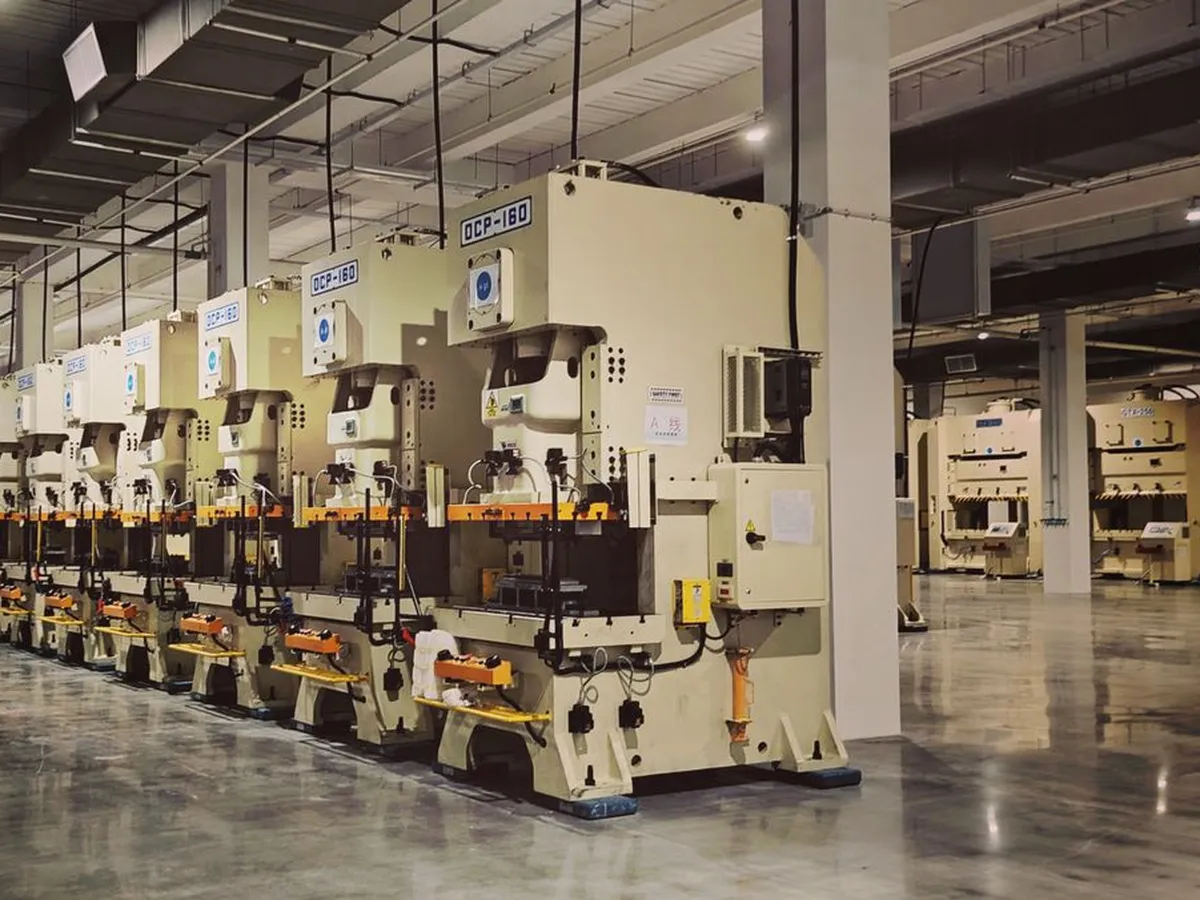
This week
- 12 preventive maintenance tasks
- 1 periodic inspection (VGP) to schedule before Dec 2
- 3 repairs logged
- 250 t press: 6th breakdown this year
4 key takeaways
One record per piece of equipment: identification, location, documents and due dates in one place.
Preventive before the breakdown: by date, by meter or based on condition.
Inspections on schedule: with the report attached and the findings cleared.
Decide with the numbers: breakdowns, downtime and cost of each piece of equipment.
Sound familiar?
Take stock of your equipment
The equipment is known to the technician who has been there for twenty years. The day he leaves, nobody knows where the manuals are, or when the boiler was last serviced.
One record per piece of equipment, with the nameplate details noted: make, model, serial number, year.
A precise location: site, building, room, production line.
Documents in one place: manual, certificates, inspection reports, photos.
Known due dates: mandatory inspections, warranty, end of contract.

With K inventory: each piece of equipment has its record, with its specifications in custom fields, its attached documents and its history. Your existing file or former CMMS is brought over by Excel import.
The ID card of a piece of equipment
What to record when taking stockPlan preventive maintenance
Things get repaired when they break. The compressor fails on a Monday morning, the line stops, and the part has to be ordered.
Plan by date whatever follows the calendar: annual service, seasonal check.
Plan by meter whatever follows usage: operating hours, cycles.
Trigger on condition when a sensor allows it: temperature, vibration, hour threshold.
Prepare the parts before the technician's visit.
With K inventory: recurring tasks are scheduled by calendar or by meter, with a reminder a few days before each visit. An hour, cycle or temperature threshold reported by an IoT sensor can open a work order.
Three ways to trigger preventive maintenance
Choose according to the equipmentKeep up with mandatory inspections
The forklift's six-monthly inspection was forgotten. Someone notices during an audit or, worse, after an incident.
List the equipment subject to inspection and how often: lifting equipment, pressure equipment, boilers.
Get a reminder before the due date, early enough to book the inspection body.
Attach each report to the equipment record and clear the findings.
Lock out the equipment until a dangerous defect is corrected.
With K inventory: each piece of equipment concerned has its next inspection date, with a reminder before it is due, and the inspection body's report is attached to its record. An "under maintenance" status shows that it must not be used.
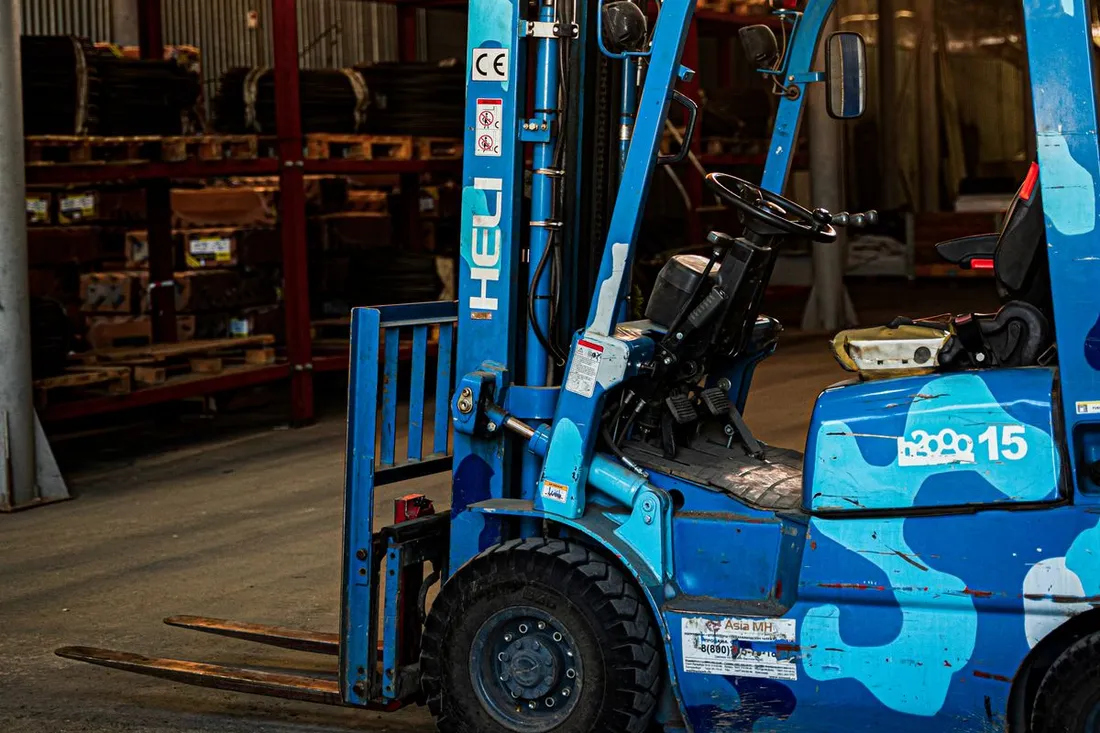
Forklift EQ-0215
- Last VGP: no findings
- Inspection body's report attached
- Meter: 6,140 h
- Next VGP: Dec 2, 2026
Manage contracts and contractors
The heating engineer came, but nobody has the certificate. The maintenance contract was renewed without anyone checking what it covers.
Link each piece of equipment to its contract: contractor, scope, end date.
Check each visit and collect the report or certificate.
Give the contractor limited access to their scope so they log their own work.
Prepare the contract renewal with the history of work done.
With K inventory: the contract and visit dates are tracked on the equipment record. Users are unlimited, and folder-level permissions let a contractor access only the sites that concern them.
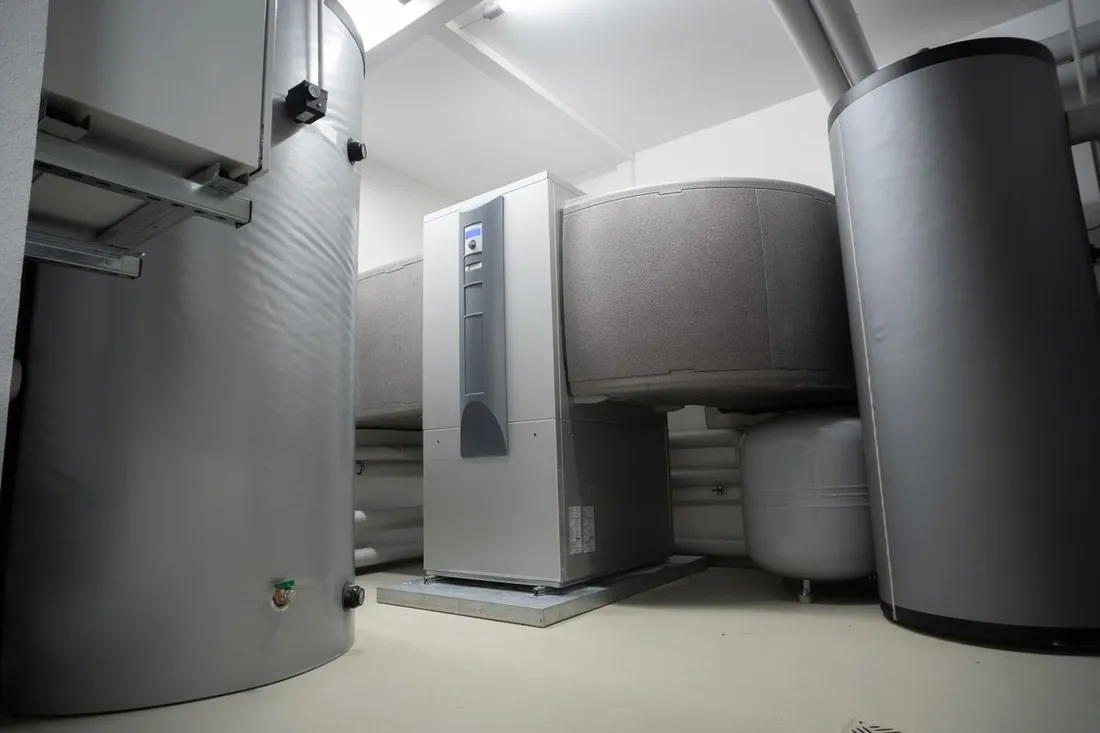
Boiler room · building A
- HVAC contract until 12/2027
- Annual service 10/2026
- Certificate attached
- Next visit: 10/2027
Carry out and log every repair
A breakdown is fixed, but nothing is written down: not the cause, not the part replaced, not the time spent. The same breakdown comes back three months later.
Open a work order for every job, even a short one.
Note the cause, the parts and the time: this history is what will save time next time.
Sign off on site, in front of the equipment.
Send the report to the requester.
With K inventory: preventive and corrective work orders are on the technician's phone, signed off by scanning the equipment, even with no network. Time spent is clocked, parts are issued from stock automatically if you configure it, and a report can be sent at the end of the job.
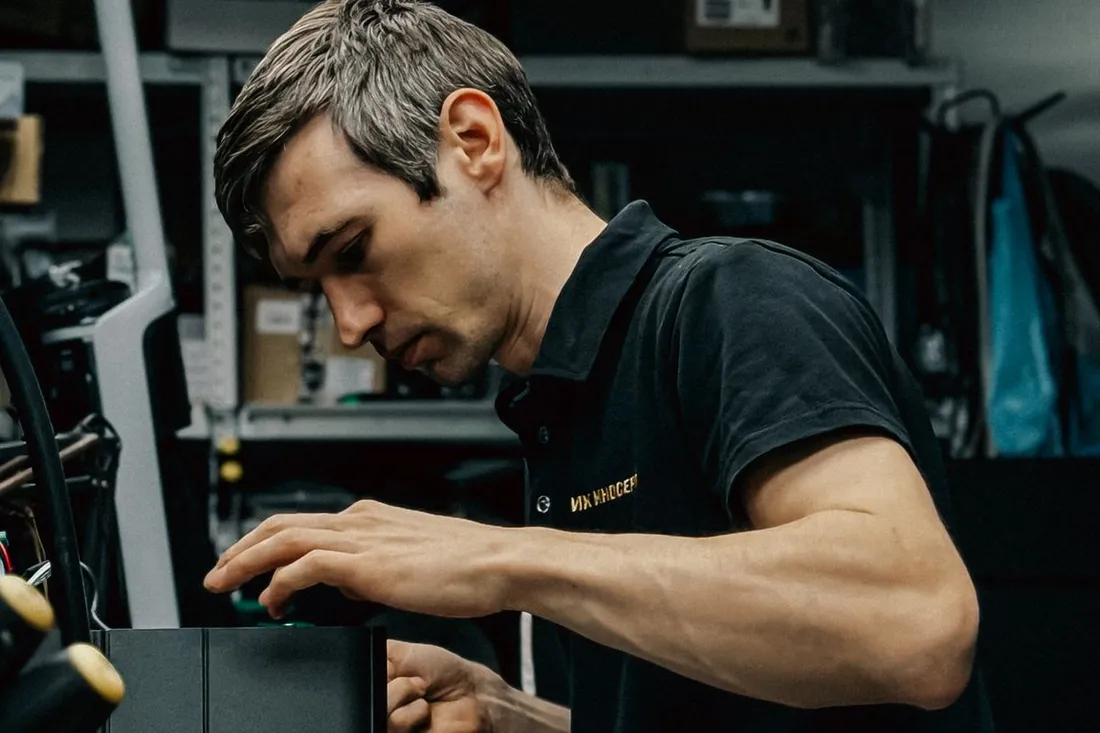
Corrective work order WO-2311
- Breakdown reported at 8:10 am
- Belt replaced, part issued
- Back in service at 10:30 am
- Cause: incorrect tension setting
Analyze breakdowns
Everyone "feels" that press 3 breaks down a lot. Nobody can say how many times, or what it costs.
Track MTBF (mean time between failures) and MTTR (mean time to repair).
Rank equipment by number of breakdowns and by cost.
Turn recurring breakdowns into preventive tasks.
Share the numbers with management to justify a replacement or a budget.
With K inventory: MTBF and MTTR are set up with formula fields, from the breakdown and back-in-service dates. The results appear on dashboards, by site or across all sites.
Breakdowns over 12 months: example
Fictitious example, by equipmentTrack equipment that moves around
The motor pump left for a job site three weeks ago. Its 1,500-hour service is coming up, and nobody knows where it is.
Assign mobile equipment to a job site or a team, like a tool.
Read the meter at each return or each job.
Schedule servicing by meter, not just by calendar.
Log every transfer from one site to another.
With K inventory: each transfer is scanned, so you know which job site the equipment is on, and since when. Its servicing follows the hour meter, with a work order when it is due.
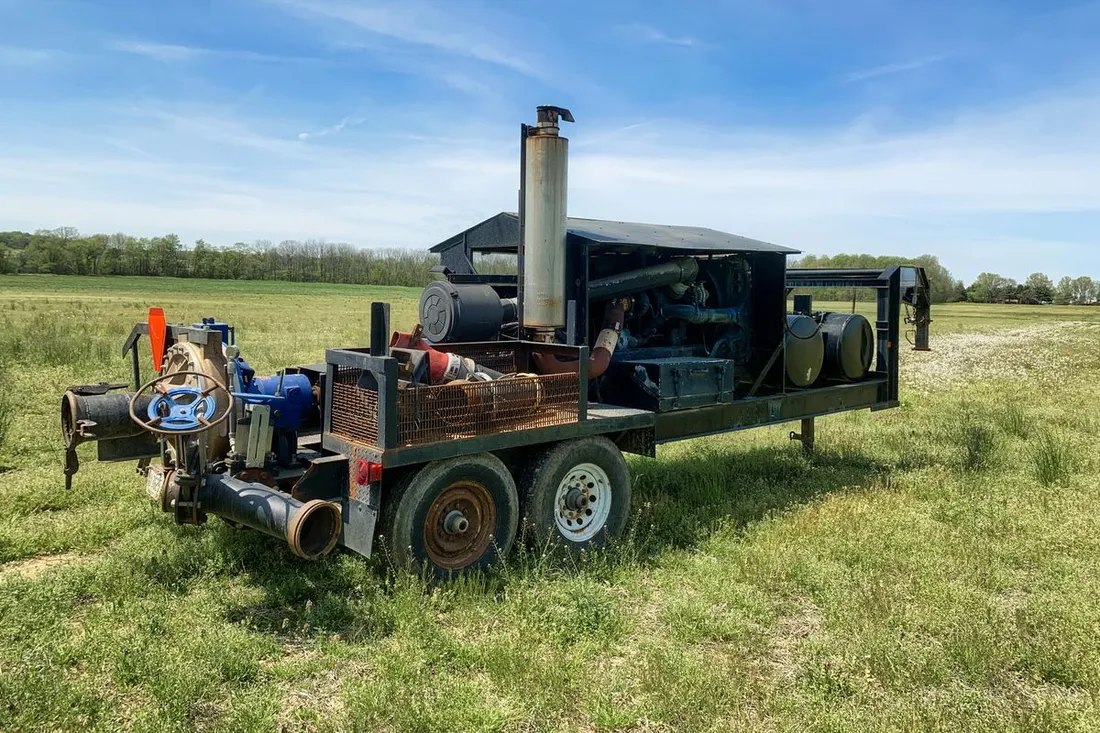
Motor pump EQ-0904
- East station job site, since 10/21
- Meter: 1,260 h
- Service due at 1,500 h
- Meter reading overdue
Repair, refurbish or replace
A worn-out compressor keeps getting repaired, because nobody knows what it has already cost.
Know the cost of each piece of equipment, from purchase to today: purchase, repairs, parts, time.
Cross-check with reliability: number of breakdowns, length of downtime.
Plan replacements in the budget rather than having them forced on you.
Retire equipment with its reason: sold, decommissioned, recycled.
With K inventory: the cost of ownership of each piece of equipment is tracked from purchase to retirement, and each retirement keeps its reason and its history.
What a well-tracked equipment record looks like
A machine has its breakdown history, a compressor its hour meter, a boiler its maintenance contract, a forklift its periodic inspection (VGP). Here are some example records in K inventory.
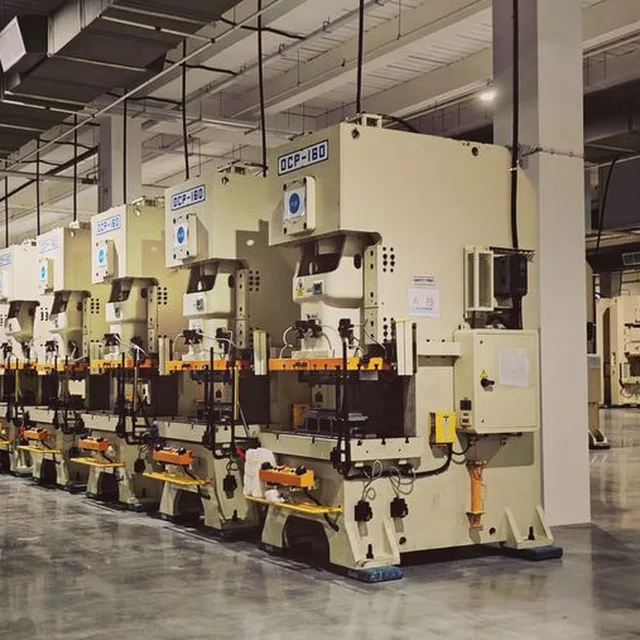
250 t hydraulic press · EQ-1102
A machine's record brings together its location, its breakdown and work history, and the spare parts that fit it.
MTBF and MTTR are set up with formula fields, from the breakdown and back-in-service dates.
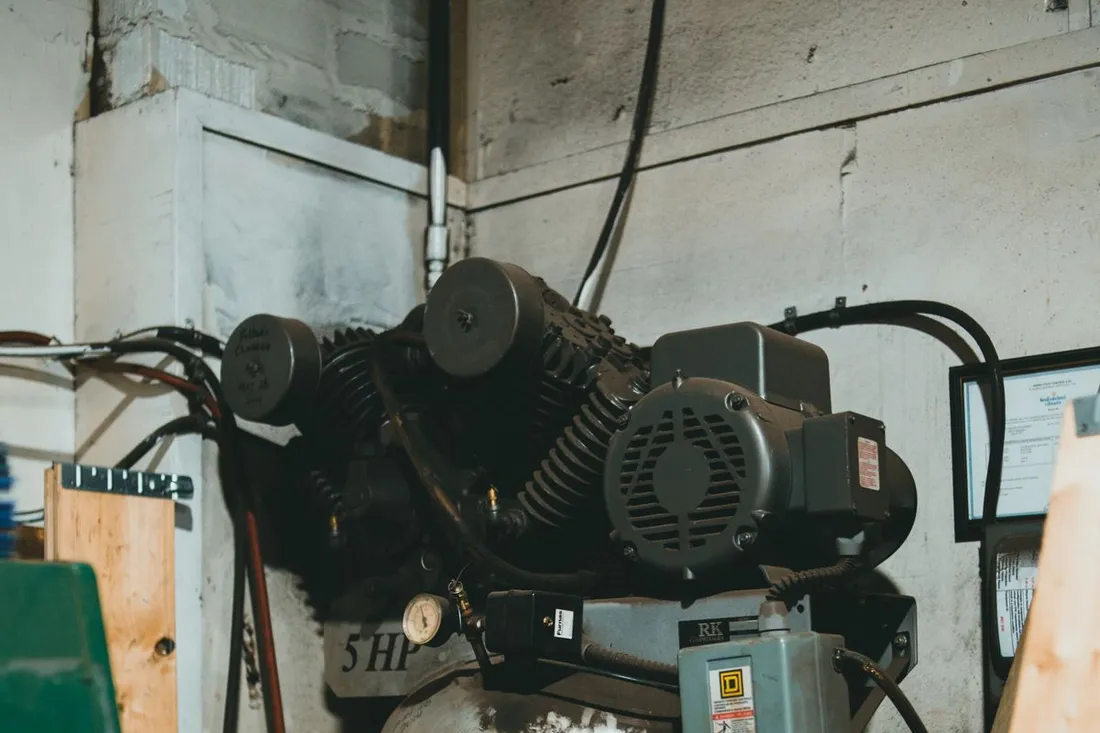
270 L piston compressor · EQ-0730
Servicing is scheduled by date or by hour meter. The air receiver, as pressure equipment, has its own inspection due dates.
When it is due, a work order opens, and the technician follows it on their phone.
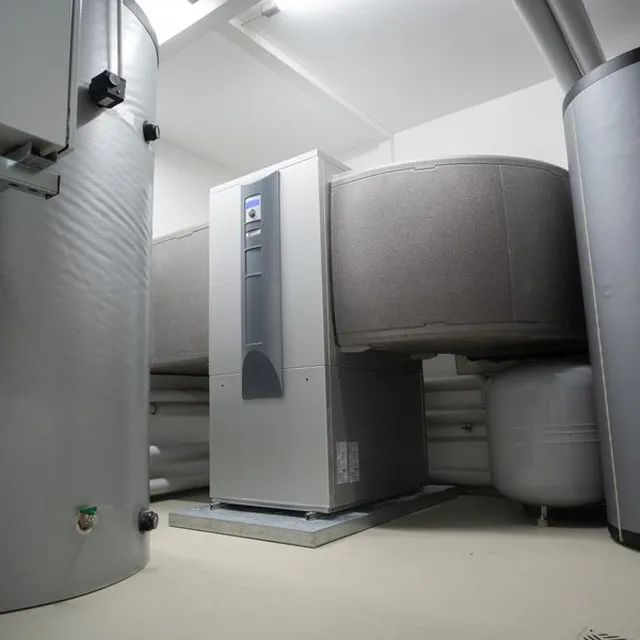
120 kW gas boiler · EQ-0412
For heating and air conditioning, often serviced by a contractor, the record keeps the contract, the visit dates and the certificates.
The contractor's report is attached to the equipment record, with the full history.
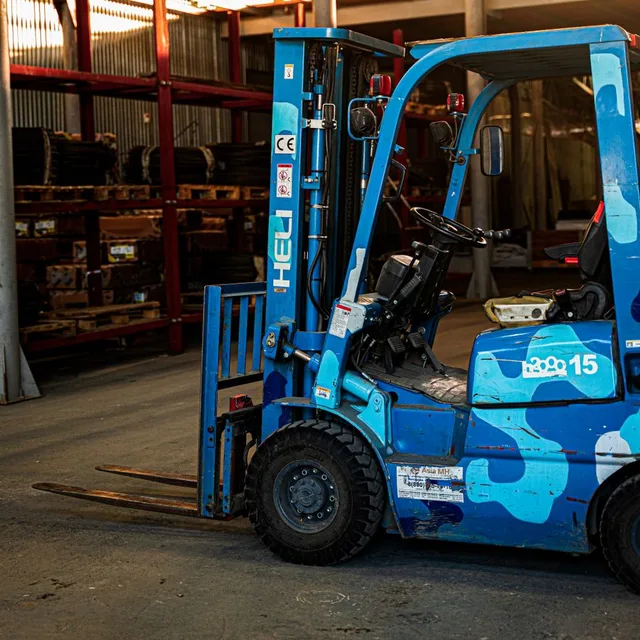
2.5 t forklift · EQ-0215
Forklifts are subject to a general periodic inspection (VGP). The date of the next one is on the record, with a reminder before it is due.
An "under maintenance" status shows that a machine must not be used until it is back in service.
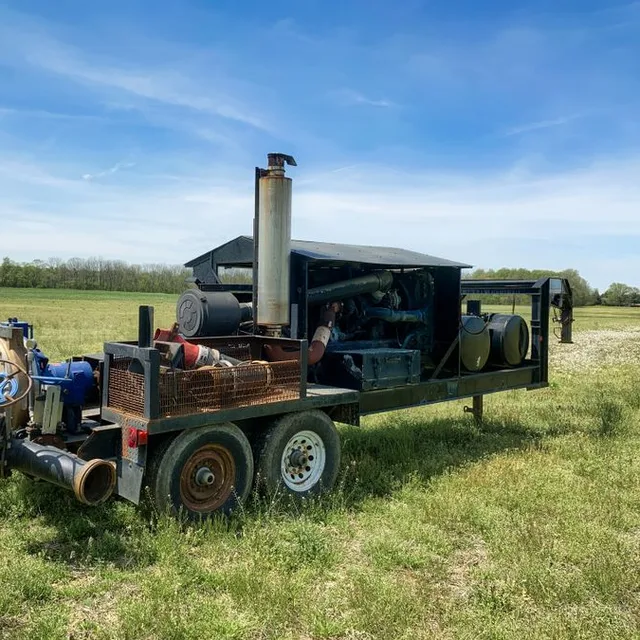
Trailer-mounted diesel motor pump · EQ-0904
Equipment that moves around is assigned to a job site or a team, like a tool. Its servicing follows the hour meter.
Each transfer is scanned, so you know which job site it is on, and since when.
Spreadsheet or dedicated tool?
A spreadsheet is enough for a few pieces of equipment and a single technician. Its limits show once preventive maintenance, mandatory inspections and contractors come in.
| Spreadsheet | Dedicated tool with mobile app | |
|---|---|---|
| Suited to | A few pieces of equipment, one technician | Several sites, technicians and contractors |
| Preventive | Dates you have to watch yourself | Due dates by date or meter, reminder before each visit |
| Mandatory inspections | A binder of reports | Date, reminder and report attached to the record |
| Repairs | Barely logged, if at all | Work order on the phone, time and parts |
| Analysis | Calculations by hand | MTBF, MTTR and costs on dashboards |
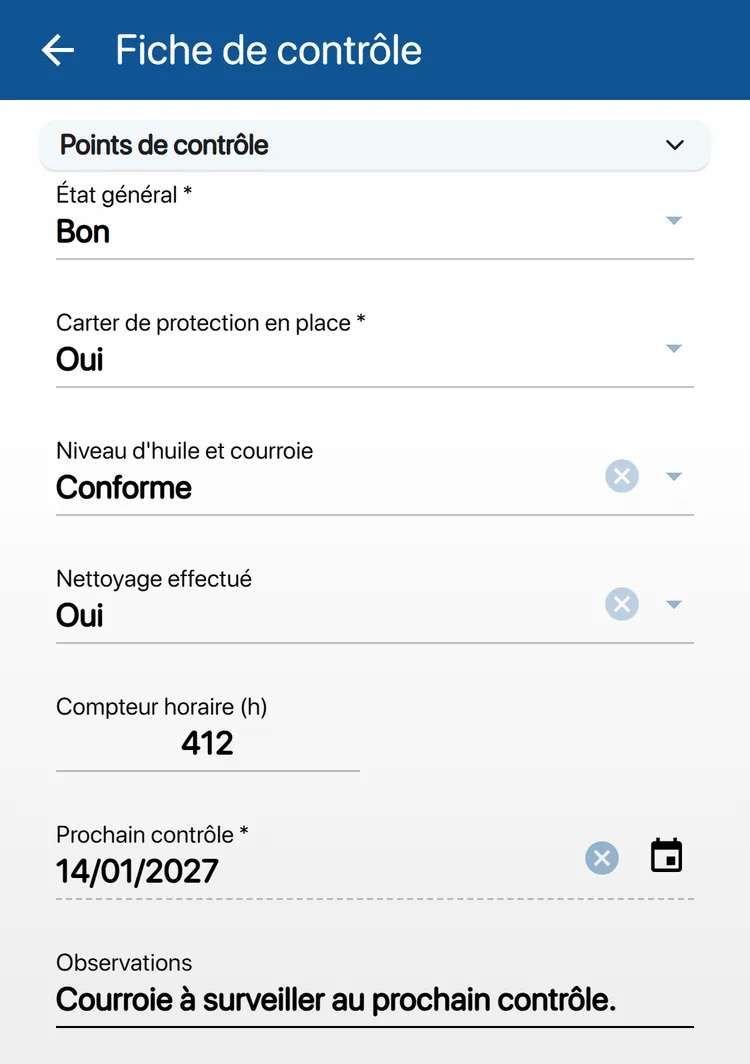
What a dedicated tool looks like: the inspection form is filled in on the phone, in front of the equipment, and each job is added to its history.
For the full feature list, see the preventive maintenance CMMS software page.
Learn more
Frequently asked questions about equipment management
Which equipment is subject to mandatory inspections?
In France, this includes lifting appliances and accessories, forklifts among them (general periodic inspections set by the order of March 1, 2004, every six months for forklifts), boilers from 4 to 400 kW (annual service, with the certificate kept for at least two years) and pressure equipment (in-service monitoring set by the order of November 20, 2017). More broadly, work equipment must be kept in a compliant condition (French Labor Code, Code du travail, article R4322-1).
Preventive maintenance by date or by meter?
Both, depending on the equipment. What ages over time is scheduled by calendar; what wears with use is scheduled by hour or cycle meter. When a sensor allows it, the job can also be triggered on condition.
How do you calculate MTBF and MTTR?
MTBF is operating time divided by the number of breakdowns; MTTR is total repair time divided by the number of repairs. Our free MTBF / MTTR calculator does the math from your own figures.
How can our contractors work in the same tool?
By giving them limited access to their scope. With K inventory, users are unlimited and permissions are set by feature and by folder: a contractor can access only the sites that concern them and log their own work.
Can we bring over our former CMMS and our Excel files?
Yes. Your equipment is brought over by Excel import, with help matching the columns: equipment, parts, locations. If your former CMMS can export its data to Excel, it is brought over the same way.
How much does an equipment management tool cost?
With K inventory, plans are based on items, never on users: each piece of equipment tracked individually counts as one item, and a spare part managed by quantity counts as one item per location. Essential: €175 per month for up to 500 items. Advanced: €390 per month for up to 1,000 items. Beyond that, the Custom plan is quoted on request.
Every piece of equipment maintained, every inspection on time
Show us your equipment, your maintenance contracts and your inspections during a demo: we will show you how to manage them day to day in K inventory.